
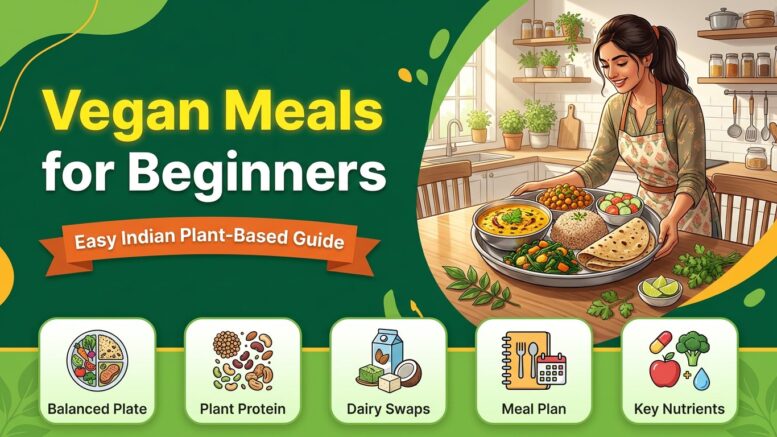
Indian kitchens are naturally friendly to plant-based eating, with dals, rotis, sabzis and chutneys at the centre of most meals. This guide to vegan meals for beginners shows you how to build balanced, protein-rich Indian vegan meals, what to swap for dairy, and which nutrients need extra attention.
Key takeaways
- A vegan diet excludes all animal products, including milk, ghee, curd, paneer, honey and eggs.
- Combining cereals and pulses in a 3:1 ratio gives good-quality protein, according to ICMR-NIN.
- Healthy adults need about 0.83 g of protein per kg of body weight a day.
- Vitamin B12 is the nutrient vegans most often need from fortified foods or supplements.
- Many everyday Indian dishes are already vegan or need only small swaps.
What is a vegan diet?
A vegan diet includes only plant foods: grains, millets, pulses, vegetables, fruits, nuts and seeds. It is different from a vegetarian diet, which in India usually includes milk, curd, paneer and ghee. Beginners often find the dairy swap harder than giving up meat, so start there. If you are curious why this way of eating is growing, read our explainer on why plant-based diets and superfoods are trending.
How do you build a balanced vegan Indian meal?
Use a simple plate rule: half vegetables and greens, one quarter whole grains or millets, and one quarter pulses, nuts or seeds. The ICMR-NIN Dietary Guidelines for Indians (2024) recommend that vegetables, greens, roots, tubers and fruits make up at least half of what you eat in a day, and favour whole grains and millets over refined carbohydrates.
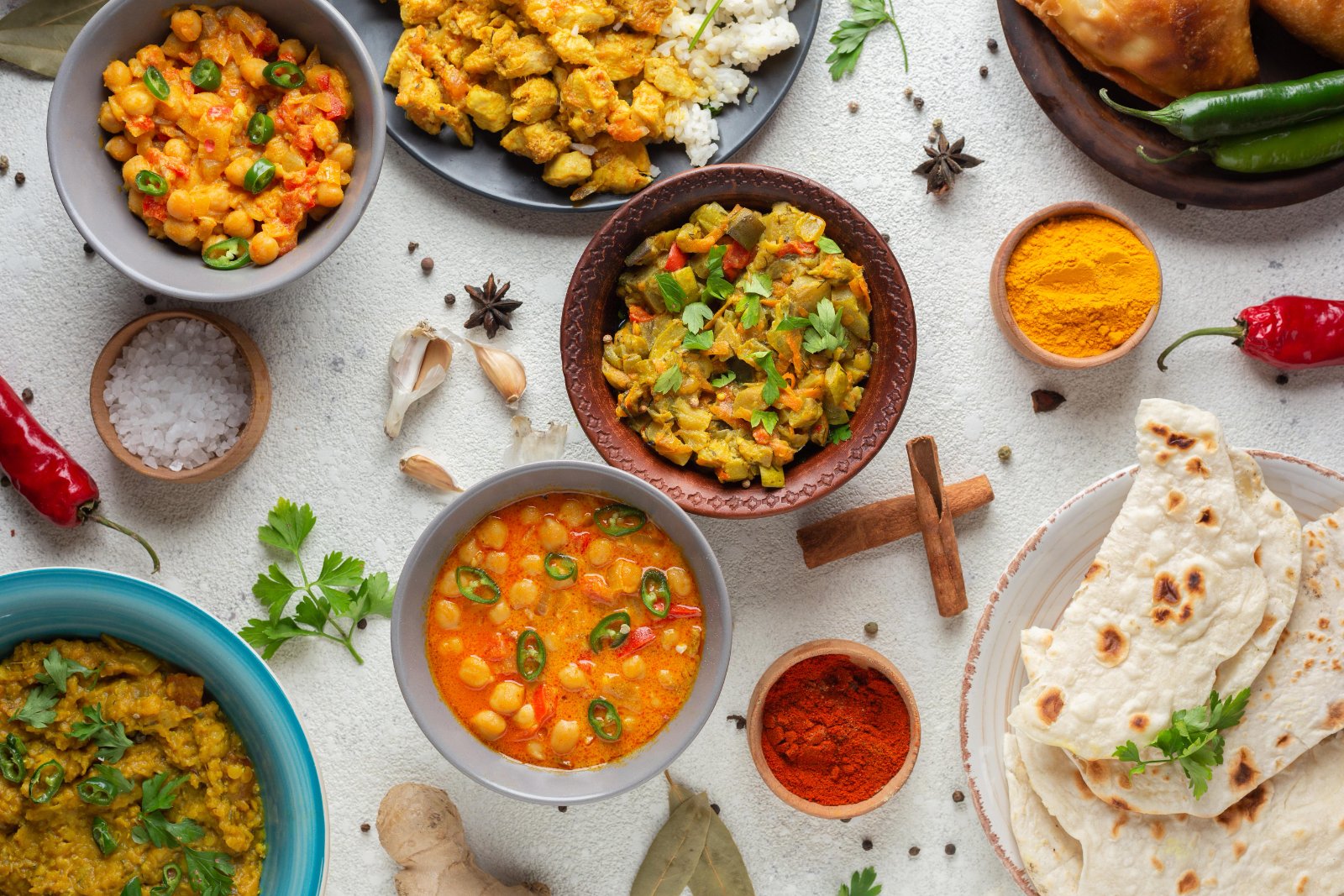
Variety matters as much as quantity. Rotate seasonal vegetables and leafy greens through the week, because each one brings different vitamins, minerals and fibre; our guide on what vegetables do for your body explains the benefits in more detail.
How do vegans get enough protein?
Eat a pulse at most meals and pair it with a cereal. According to a Telangana Today report on the ICMR-NIN guidelines, the recommended allowance for healthy adults is 0.83 g of protein per kg of body weight a day, or about 54 g for a 65 kg adult.
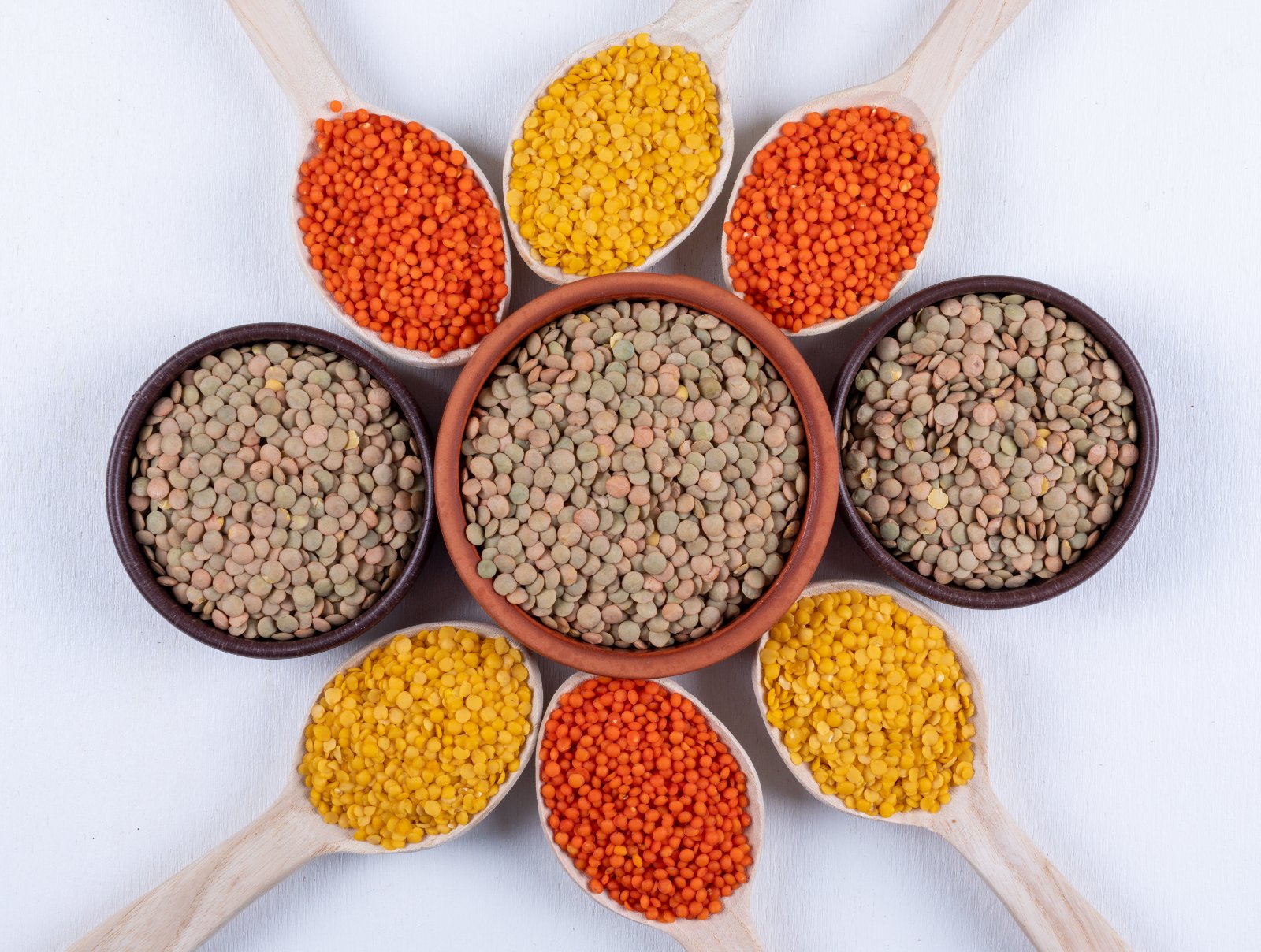
Combining cereals and pulses in a ratio of about 3:1 (by raw weight) provides good-quality protein, because the two foods fill each other’s amino acid gaps.
| Plant protein source | Easy Indian dishes | Tip |
|---|---|---|
| Lentils (moong, masoor, toor) | Dal, khichdi, cheela | Pair with rice or roti for complete protein |
| Chickpeas and rajma | Chole, rajma-chawal, chana chaat | Soak overnight for better digestion |
| Soybean and tofu | Tofu bhurji, soya chunk curry | Tofu is a good paneer replacement |
| Peanuts and nuts | Poha, chutneys, salads | Use a small handful daily |
| Seeds (sesame, flax, pumpkin) | Til chutney, laddoos, raita toppings | Add 1-2 tablespoons a day |
Easy vegan swaps for Indian cooking
- Ghee: use groundnut, mustard, sesame or other cold-pressed oils.
- Curd and raita: use soy, peanut or coconut-based curd.
- Paneer: use firm tofu in bhurji, tikka or palak dishes.
- Milk in tea: try soy, oat or almond milk, or drink black or lemon tea.
- Cream in gravies: use cashew paste or coconut milk.
A one-day plan of vegan meals for beginners
- Breakfast: vegetable poha with peanuts, or moong dal cheela with green chutney.
- Lunch: rajma or chole with brown rice or millet roti, plus a salad.
- Snack: roasted chana, a fruit, or sprouts chaat.
- Dinner: mixed dal, a green vegetable sabzi and two rotis, or tofu palak with jowar roti.
Drink water through the day as well; high-fibre plant meals work best when you stay well hydrated. See our daily water intake guide for simple targets.
Which nutrients need extra attention?
Vitamin B12, calcium, iron and omega-3 fats need the most planning on a vegan diet. Vitamin B12 comes mainly from animal foods, so vegans usually need fortified foods or a supplement, as the US National Institutes of Health vitamin B12 fact sheet also notes; ask your doctor to check your levels. For calcium, include ragi, sesame, green leafy vegetables and calcium-fortified plant milk. For iron, eat greens such as moringa leaves, pulses and whole foods with a source of vitamin C such as lemon or amla, and avoid tea and coffee around meals. Flaxseeds, walnuts and mustard oil add plant omega-3 fats.
Practical tips for getting started
- Start with two or three fully vegan days a week before switching completely.
- Cook a large batch of dal or chole on Sunday to make weekday meals easy.
- Read labels on packaged foods for milk solids, whey, ghee and honey.
- Keep roasted chana, peanuts and fruit handy for quick snacks.
Common mistakes to avoid
- Living on rice, roti and potato with very little dal or protein.
- Relying on packaged “vegan” snacks that are high in sugar, salt or refined flour.
- Ignoring vitamin B12 for months.
- Switching overnight; a gradual change is easier to sustain.
- Assuming protein powders are necessary. ICMR-NIN advises that healthy people can meet needs through food.
Related reads on TON
- Simple ways to reduce food waste at home
- 7 easy and healthy breakfast recipes
- FSSAI registration for a home food business
Frequently Asked Questions
Is a vegan diet healthy for Indians?
A well-planned vegan diet with enough pulses, whole grains, vegetables, nuts and seeds can be healthy for most adults. Pay attention to vitamin B12, calcium and iron, and consult a doctor if you have a health condition.
Is dal and rice a complete protein?
Together, yes. Cereals and pulses complement each other’s amino acids, and ICMR-NIN suggests a ratio of about 3:1 cereal to pulse.
What can vegans eat for breakfast in India?
Poha with peanuts, upma with vegetables, idli or dosa with sambar, moong dal cheela and besan chilla are all naturally vegan when cooked in oil.
Do vegans need supplements?
Most vegans need a reliable source of vitamin B12, either from fortified foods or supplements. A doctor can advise you on dose and any other needs.
Can children, pregnant women or elderly people follow a vegan diet?
They have higher nutrient needs, so they should follow a vegan diet only under the guidance of a doctor or qualified dietitian.
This article is for general wellness information only. Please consult a doctor or registered dietitian before making major changes to your diet.
Bookmark Trending Online Now and follow us for more easy food and healthy-eating guides.
By TON Editorial Team · Last updated November 2026. Check the ICMR-NIN Dietary Guidelines for Indians for the latest details.