
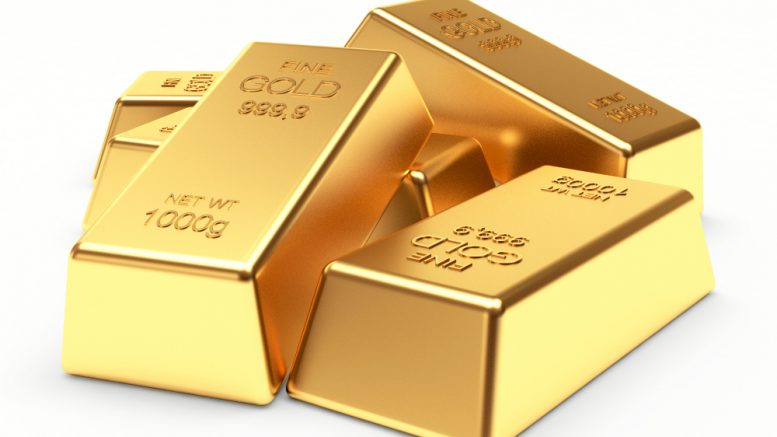
Gold has always been a symbol of wealth and stability. Many countries hold substantial gold reserves as a part of their national assets. Here’s a detailed look at the top countries with the highest gold reserves:
1. United States
- Gold Reserves: Approximately 8,133.5 metric tons
- Location: The majority is stored in Fort Knox, Kentucky, with other reserves held in Denver, West Point, and the Federal Reserve Bank of New York.
- Significance: The U.S. holds the largest gold reserve in the world, accounting for about 75% of its foreign reserves. This massive reserve has been built up over decades and plays a crucial role in the country’s economic stability.
2. Germany
- Gold Reserves: Around 3,362.4 metric tons
- Location: Stored in various locations, including Frankfurt, New York, and London.
- Significance: Germany’s gold reserves are the second largest globally. These reserves were accumulated post-World War II and have been a cornerstone of Germany’s financial system.
3. Italy
- Gold Reserves: Approximately 2,451.8 metric tons
- Location: Primarily held by the Banca d’Italia.
- Significance: Italy’s gold reserves form a significant part of its national wealth, representing stability and economic security.
4. France
- Gold Reserves: Around 2,436.0 metric tons
- Location: Managed by the Banque de France.
- Significance: France’s reserves are a key component of its economic strategy, providing a buffer against economic instability.
5. Russia
- Gold Reserves: Approximately 2,298.5 metric tons
- Location: Spread across various locations within the country.
- Significance: In recent years, Russia has been aggressively increasing its gold reserves to reduce its reliance on the U.S. dollar and fortify its economy against international sanctions.
6. China
- Gold Reserves: Around 1,948.3 metric tons
- Location: Held by the People’s Bank of China.
- Significance: China has been steadily increasing its gold reserves as part of its strategy to diversify its foreign exchange reserves and enhance economic security.
7. Switzerland
- Gold Reserves: Approximately 1,040.0 metric tons
- Location: Stored across various locations in Switzerland.
- Significance: Known for its financial stability, Switzerland’s gold reserves are a critical part of its wealth, providing security and financial reliability.
8. Japan
- Gold Reserves: Around 846.0 metric tons
- Location: Managed by the Bank of Japan.
- Significance: Japan’s reserves play a vital role in its monetary policy, offering a safeguard against economic uncertainties.
9. India
- Gold Reserves: Approximately 797.5 metric tons
- Location: Held by the Reserve Bank of India.
- Significance: India’s gold reserves are significant due to the country’s cultural affinity for gold, playing a crucial role in its economic and monetary strategies.
10. Netherlands
- Gold Reserves: Around 612.5 metric tons
- Location: Stored in various locations, including Amsterdam and the Federal Reserve Bank of New York.
- Significance: The Netherlands maintains substantial gold reserves as part of its economic security measures and to support the euro.
Importance of Gold Reserves
Gold reserves are crucial for several reasons:
- Economic Stability: Gold provides a hedge against inflation and economic instability.
- Currency Strength: Countries with large gold reserves can support their national currency.
- Crisis Management: In times of economic crisis, gold reserves can be used to stabilize the economy.
- Investment Diversification: Holding gold diversifies a country’s investment portfolio, reducing reliance on other assets.
Countries with substantial gold reserves enjoy enhanced economic stability and security. These reserves act as a buffer against economic downturns, inflation, and other financial uncertainties. As global economies evolve, the importance of gold reserves continues to be a key aspect of national economic strategy.
By understanding the significance of gold reserves and the countries that hold the most, one gains insight into global economic health and stability.
